



Written by Lusa Arguelles
Modified & Updated: 06 Mar 2024

Reviewed by Jessica Corbett
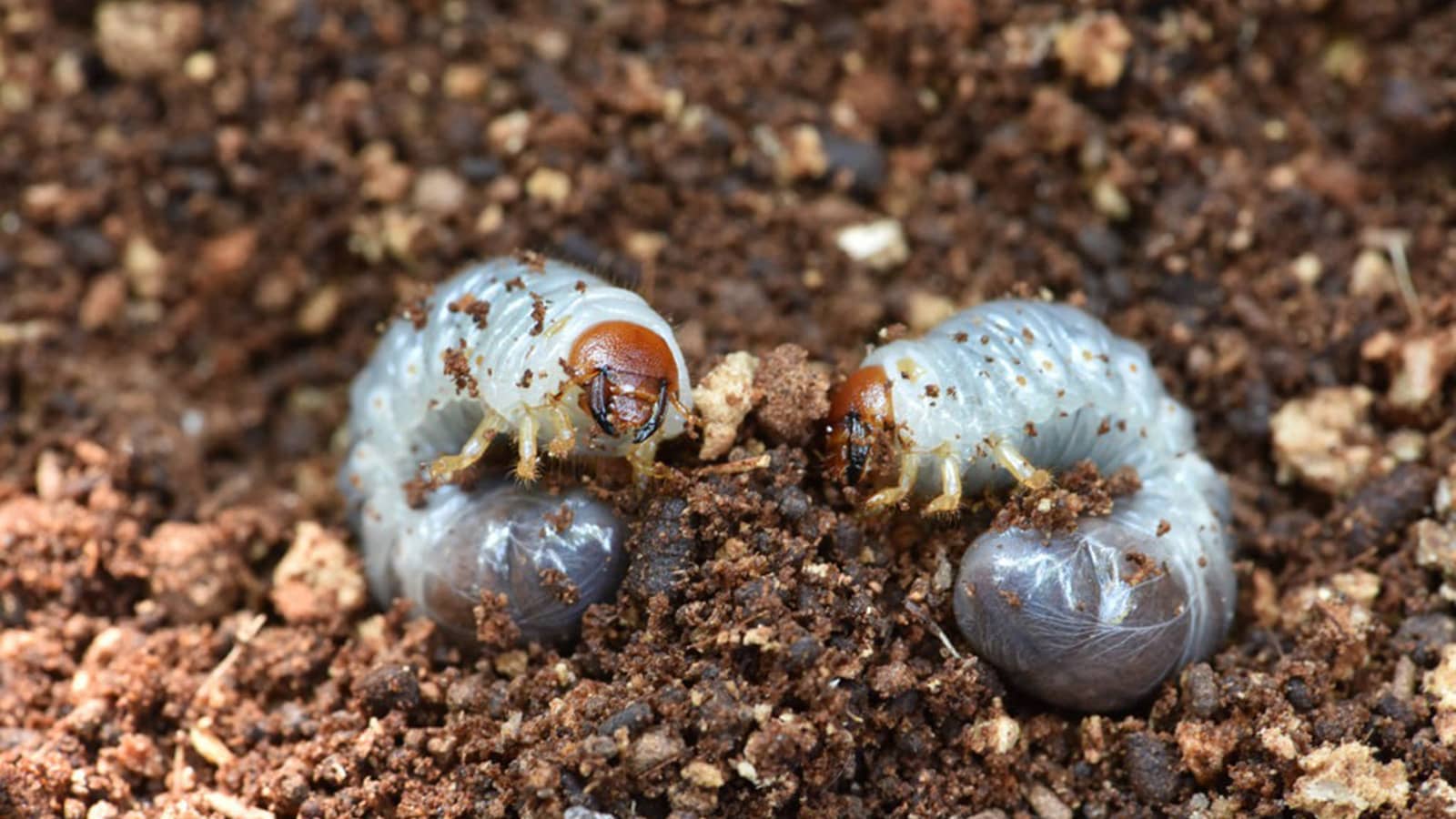
Are you a food enthusiast always on the lookout for fascinating facts about different types of grub? Well, you’re in luck! In this article, we will explore 11 intriguing food-related facts that will tickle your taste buds and expand your culinary knowledge. From the origins of favorite dishes to unique food customs and quirky food trivia, prepare to delve into a world of delicious discoveries. Whether you’re a gastronomic adventurer or simply curious about the stories behind the food we eat, these grub facts will leave you both surprised and hungry for more. So, grab a snack and let’s dive into this tantalizing journey through the world of food!
Key Takeaways:
- Grubs are the larval form of beetles and can cause damage to lawns. They have a distinctive C-shaped body and play a role in nutrient cycling.
- Grubs undergo complete metamorphosis and are a valuable food source for birds and other animals. They can be managed using biological control methods and are considered a delicacy in some cultures.
Grubs are the larval form of beetles.
Did you know that grubs are actually the immature stage of beetles? These plump, worm-like creatures can be found in soil, where they feed on grassroots and decaying organic matter.
Grubs are a common lawn pest.
If you’ve ever struggled with a patchy and unhealthy lawn, grubs might be the culprit. These voracious feeders can cause extensive damage to grass roots, resulting in brown patches and weakened turf.
They have a distinctive C-shaped body.
One distinguishing feature of grubs is their C-shaped body. Their soft, white or yellowish bodies are curved into a distinctive letter ‘C’ shape, which helps them tunnel through the soil as they search for food.
Grubs have a voracious appetite.
Grubs are notorious for their incredible appetites. They feed on the roots of plants, causing significant damage to lawns, gardens, and agricultural crops. In fact, a single grub can consume an impressive amount of organic material in a short period of time.
Different species of beetles produce different types of grubs.
There are many species of beetles, and each species produces its own unique type of grub. Some common types of grubs include Japanese beetle grubs, European chafer grubs, and June beetle grubs.
Grubs undergo a complete metamorphosis.
Similar to other insects, grubs undergo a fascinating transformation known as complete metamorphosis. They start as eggs, hatch into larvae (grubs), pupate into a dormant stage, and finally emerge as adult beetles.
Grubs play a role in nutrient cycling.
While grubs are often seen as pests, they do serve a purpose in the ecosystem. As they consume decaying organic matter and plant roots, they help break down and recycle nutrients in the soil, contributing to the overall health of the ecosystem.
Birds and other animals feed on grubs.
Grubs are a valuable source of food for many animals. Birds, skunks, moles, and other predators enjoy feasting on these protein-packed larvae. In fact, the presence of grubs can attract wildlife to your garden or yard.
Grubs have specific breeding seasons.
Beetles typically lay their eggs in the soil during specific seasons, depending on the species. This ensures that the grubs have enough time to grow and develop before the onset of unfavorable conditions.
Biological control methods can help manage grub populations.
If you’re dealing with a grub infestation, there are various biological control methods available. These include using beneficial nematodes, certain fungi, or introducing natural predators to reduce the grub population without the need for chemical pesticides.
Grubs can be turned into a delicacy in some cultures.
In certain cultures, grubs are considered a delicacy and are consumed as a source of protein. They are often cooked or roasted and added to traditional dishes, providing a unique and nutritious culinary experience.
Conclusion
Grubs are fascinating creatures that play an important role in the ecosystem. From their diverse habitats to their unique feeding habits, there is much to learn and appreciate about them. Whether you find them in your garden or encounter them while exploring the great outdoors, knowing these 11 grub facts will enhance your understanding and appreciation for these often overlooked creatures.
Next time you come across a grub, take a moment to observe and marvel at its intricacies. Remember that even the smallest creatures can have a big impact on the world around us.
FAQs
1. What are grubs?
Grubs are the larval stage of various insects, such as beetles and certain species of moths. They have distinct characteristics, including a soft body and often a curved shape.
2. Where do grubs live?
Grubs can be found in various habitats, including soil, compost piles, and even decaying logs. They prefer dark and moist environments to thrive.
3. What do grubs eat?
Grubs have different feeding habits depending on their species. Some grubs feed on plant roots, while others are detritivores, consuming decaying organic matter and dead plant material.
4. Can grubs cause damage to plants?
Yes, certain species of grubs, particularly those that feed on plant roots, can cause damage to the vegetation in your garden or lawn. Excessive grub feeding can lead to stunted growth or even death of the plants.
5. How long do grubs live?
The lifespan of a grub varies depending on the species and environmental conditions. Generally, grubs go through several molting stages before pupating and transforming into adult insects.
6. Are grubs harmful to humans?
No, grubs are not harmful to humans. While some may find them unpleasant due to their appearance, grubs do not pose any direct threats to human health.
7. Can grubs be beneficial?
Yes, grubs play a crucial role in the ecosystem. They help break down organic matter, aerate the soil, and provide a food source for other organisms, such as birds and small mammals.
8. How can I get rid of grubs in my garden?
If you have a grub infestation in your garden, there are several methods you can try to control their population. These include using natural predators, applying biological controls, or using targeted chemical treatments.
9. Can grubs be used as fishing bait?
Yes, grubs are commonly used as fishing bait. Their wriggling motion and scent make them attractive to many fish species.
10. Are grubs found all year round?
Grubs are typically more active during warmer months when the soil temperatures are suitable for their development. However, the specific seasonality can vary depending on the species and geographical location.
11. Can grubs be kept as pets?
While some people may find grubs interesting to observe, they are generally not kept as pets due to their short lifespan and specialized care requirements.
Was this page helpful?
Our commitment to delivering trustworthy and engaging content is at the heart of what we do. Each fact on our site is contributed by real users like you, bringing a wealth of diverse insights and information. To ensure the highest standards of accuracy and reliability, our dedicated editors meticulously review each submission. This process guarantees that the facts we share are not only fascinating but also credible. Trust in our commitment to quality and authenticity as you explore and learn with us.